


Exploring Brancaleone and its surroundings
Brief travel guide
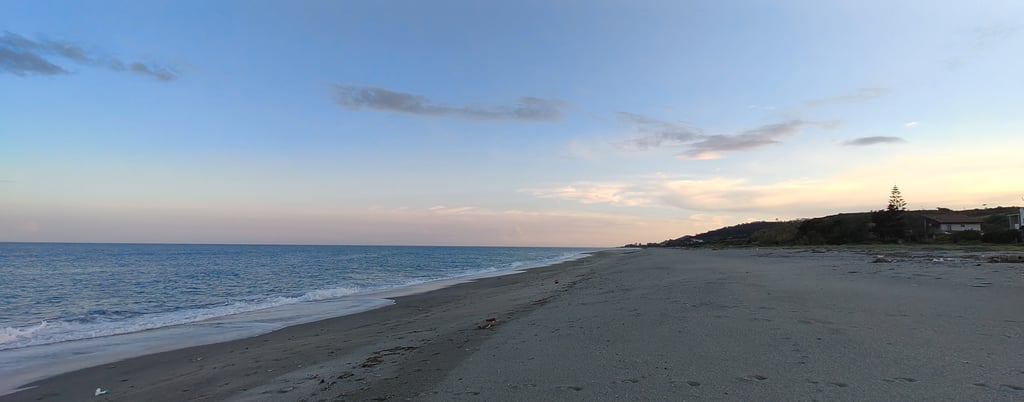
🌊 Brancaleone-Marina awaits you with an authentic Calabrian atmosphere, between the Ionian Sea, hilltop villages, and wild nature. For an inspiring exploration, here’s what you can discover around this little gem in the south of Italy.
Atmosphere & Setting
Long stretches of sand and pebbles, perfect for peaceful walks or an early morning swim.
A deep blue sea, often very calm.
A simple, welcoming village, far from mass tourism
Foodie holidays
The typical cuisine of Reggio Calabria is a mix of sunshine, sea, intense aromas, and very old traditions. It's a simple cuisine, but with a strong character — just like Calabria itself.
Sports to do
Running or power walking on the beach - Swimming & snorkeling - Road biking or mountain biking - Hiking - Nature activities - Water sports


Highlights not to miss
The Caretta Caretta Turtle Recovery Center in Brancaleone is a top spot for marine turtle protection..
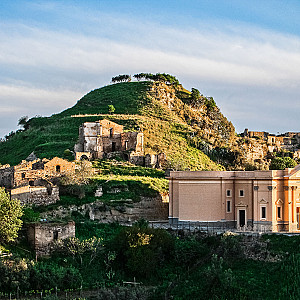
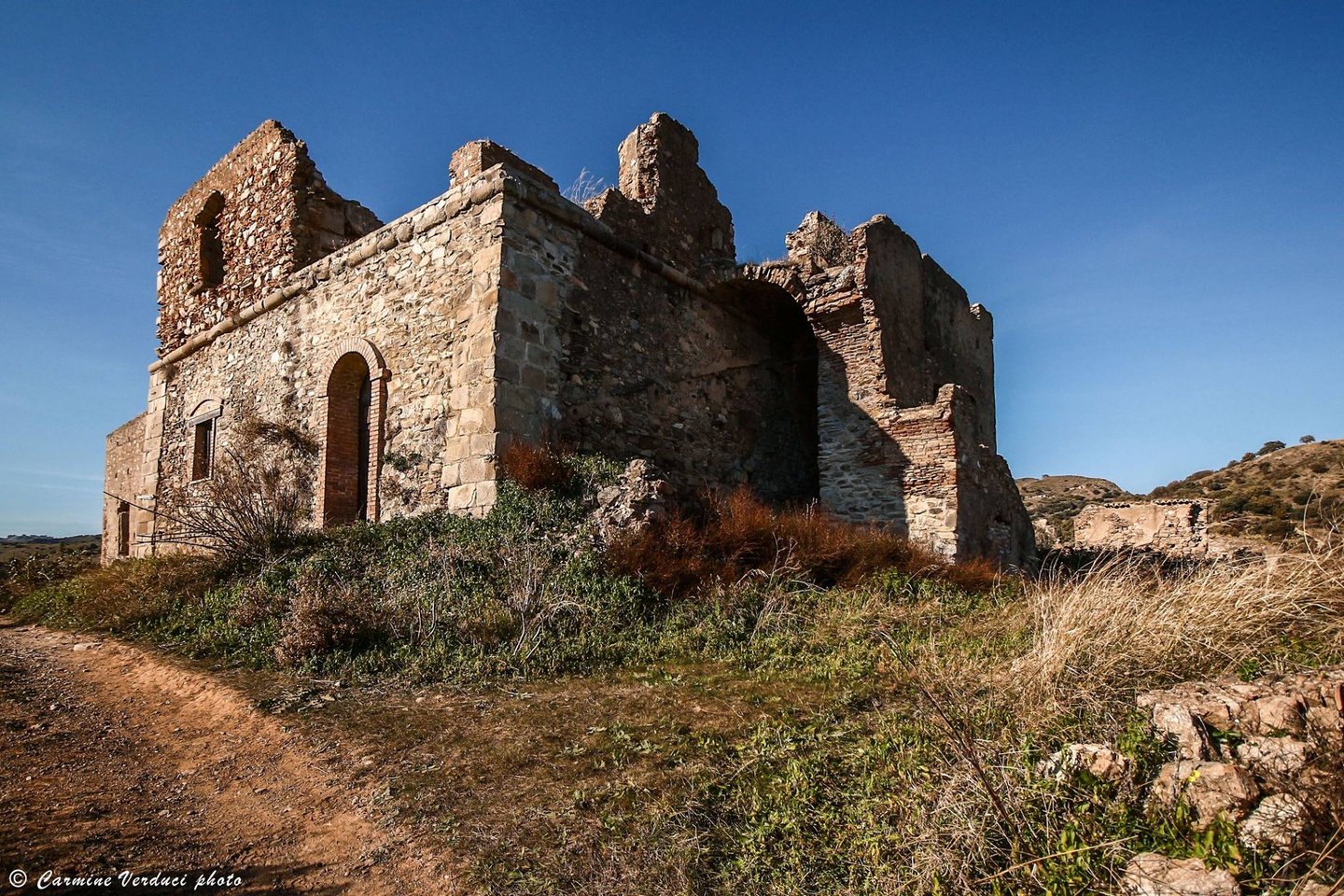
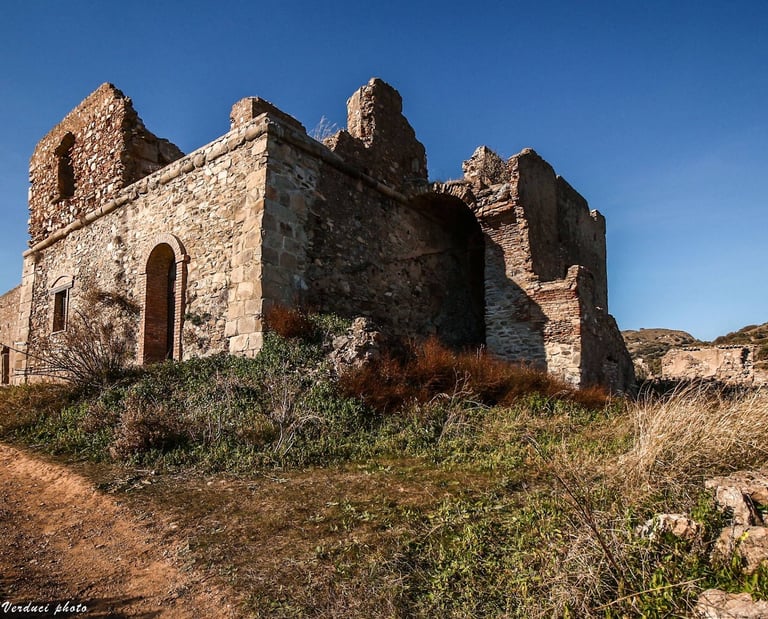
The ruins of Brancaleone Superiore: an abandoned medieval village perched on a rocky outcrop, with a spectacular view.
La Torre di Galati : a 16th-century watchtower, typical of the Calabrian coast.
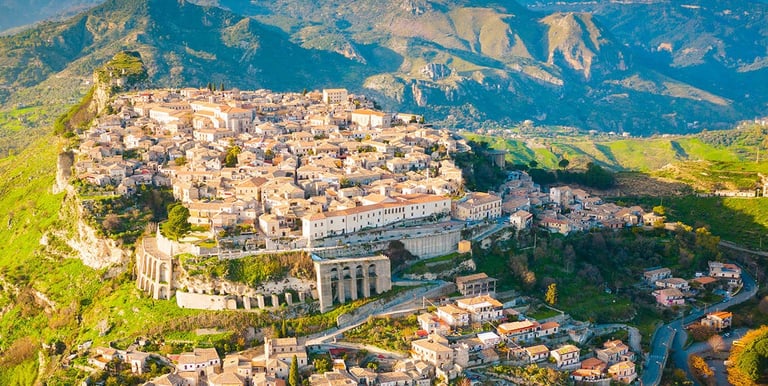
Stilo
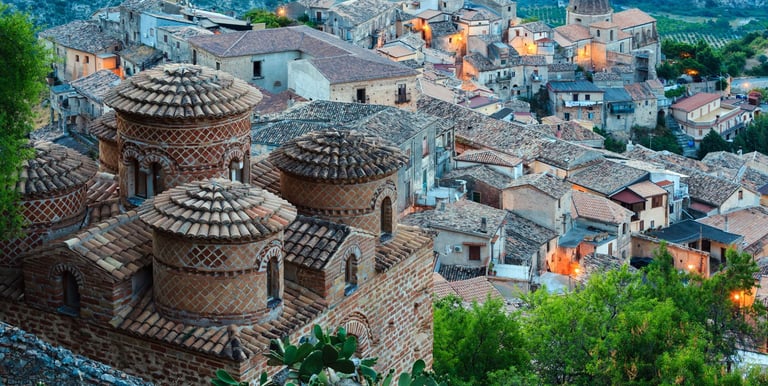
Despite its small size, Stilo is full of historical significance, architectural treasures, and a truly Calabrian vibe.
Gerace
Gerace is a medieval village perched about ten kilometers from the Mediterranean Sea, in the hinterland of Locri. It is a member of the 'most beautiful villages in Italy' association.
Around Brancaleone-Marina
Gerace : one of the most beautiful villages in Italy, with its cathedral and medieval streets.
Stilo :famous for the Cattolica, a unique Byzantine gem.
Reggio Calabria : Riace Bronzes museum, seaside strolls, southern city vibes..
Aspromonte National Park: hikes, waterfalls, cliffside villages.
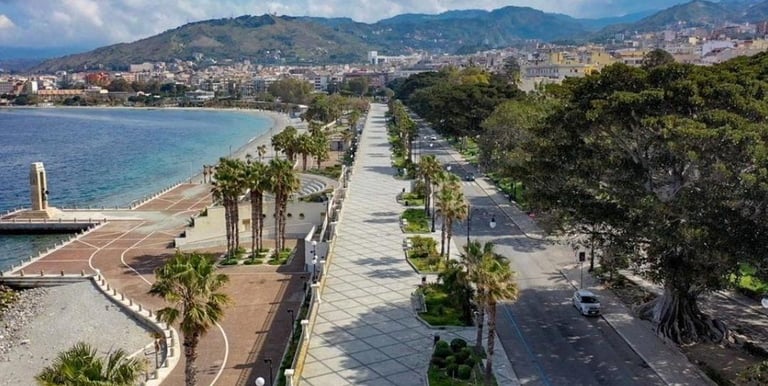
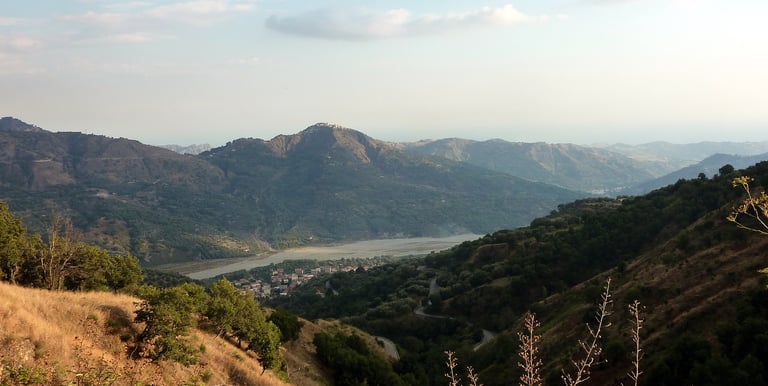
Reggio Calabria
Reggio Calabria, located at the tip of the Italian boot, is a sunny Calabrian city facing Sicily, bordered by the Ionian Sea. Too often missing from the classic southern Italy itineraries, it’s definitely worth a visit. Some of the best things to do include checking out the national museum and the famous Riace Bronzes, ancient 5th-century BC statues. Also, visit Reggio Cathedral, the Rabarama statues, and explore the bustling shopping streets.
Parc national de l’Aspromonte
Aspromonte National Park is the great green lung of southern Calabria: a spectacular mountain range where deep forests, perched villages, crystal-clear streams, and panoramas opening onto both the Ionian Sea and the Tyrrhenian Sea come together. It’s a place of untouched nature, perfect for travelers looking for peace, hiking, and authenticity. Here, you can discover: panoramic trails among pines, chestnuts, and wind-sculpted rocks, rich wildlife (eagles, foxes, birds of prey, wild horses), hidden waterfalls and plateaus, and a unique cultural heritage influenced by Calabria Greca and its ancient traditions.
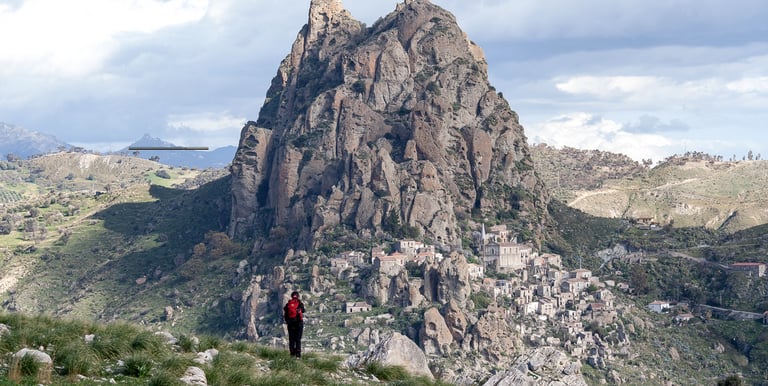
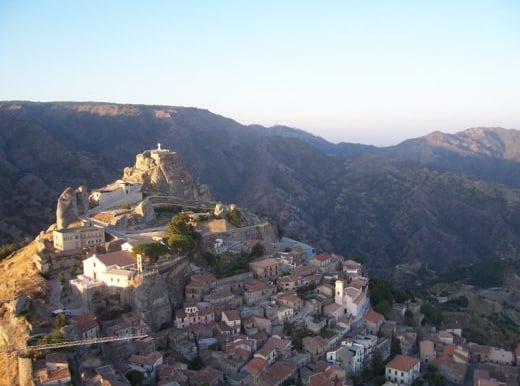
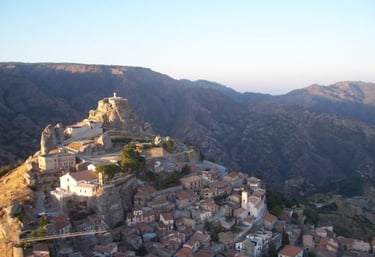
Pentedattilo
Pentedattilo is an ancient ghost village in Calabria, perched on the slopes of Mount Calvario and famous for its rock shaped like a five-fingered hand, hence its name from the Greek pente daktylos (“five fingers”). Founded in the Greco-Roman era, it was almost completely abandoned after the 1783 earthquake, which severely damaged the town. Today, it’s a mysterious, scenic place full of history, mixing ruins, small restored houses, local legends, and a unique atmosphere of a village suspended between sea and mountains. People visit for its alleyways carved into the rock, its spectacular views of the Ionian coast, and its ghost-town vibe that is slowly coming back to life thanks to cultural initiatives.
Just a few kilometers from the Ionian coast, Bova Superiore is one of the most iconic villages of Greek Calabria. Perched on the slopes of the Aspromonte, it charms with its medieval streets, sunlit stone houses, and peaceful atmosphere where time seems to slow down. Listed among the Borghi più belli d’Italia, Bova is a place where you can discover: a living Greco-Calabrian heritage, spectacular views of the sea and mountains, an authentic local culture blending pastoral traditions and craftsmanship, and simple, generous cuisine typical of the Aspromonte.